

The Dangers of Fume Exposure
The Dangers of Fume Exposure
Fume composition in welding is determined by the base metal, filler material, and the specific welding process employed. Airborne particles, comprising metals, metal oxides, and other by-products vary in size, which directly affects how deeply they can penetrate the respiratory system. The smallest particles are particularly hazardous, capable of reaching deep into the lungs and even entering the bloodstream.
Both the size and chemical makeup of these particles are key factors in determining the severity of short- and long-term health effects, making fume control essential for welder safety.
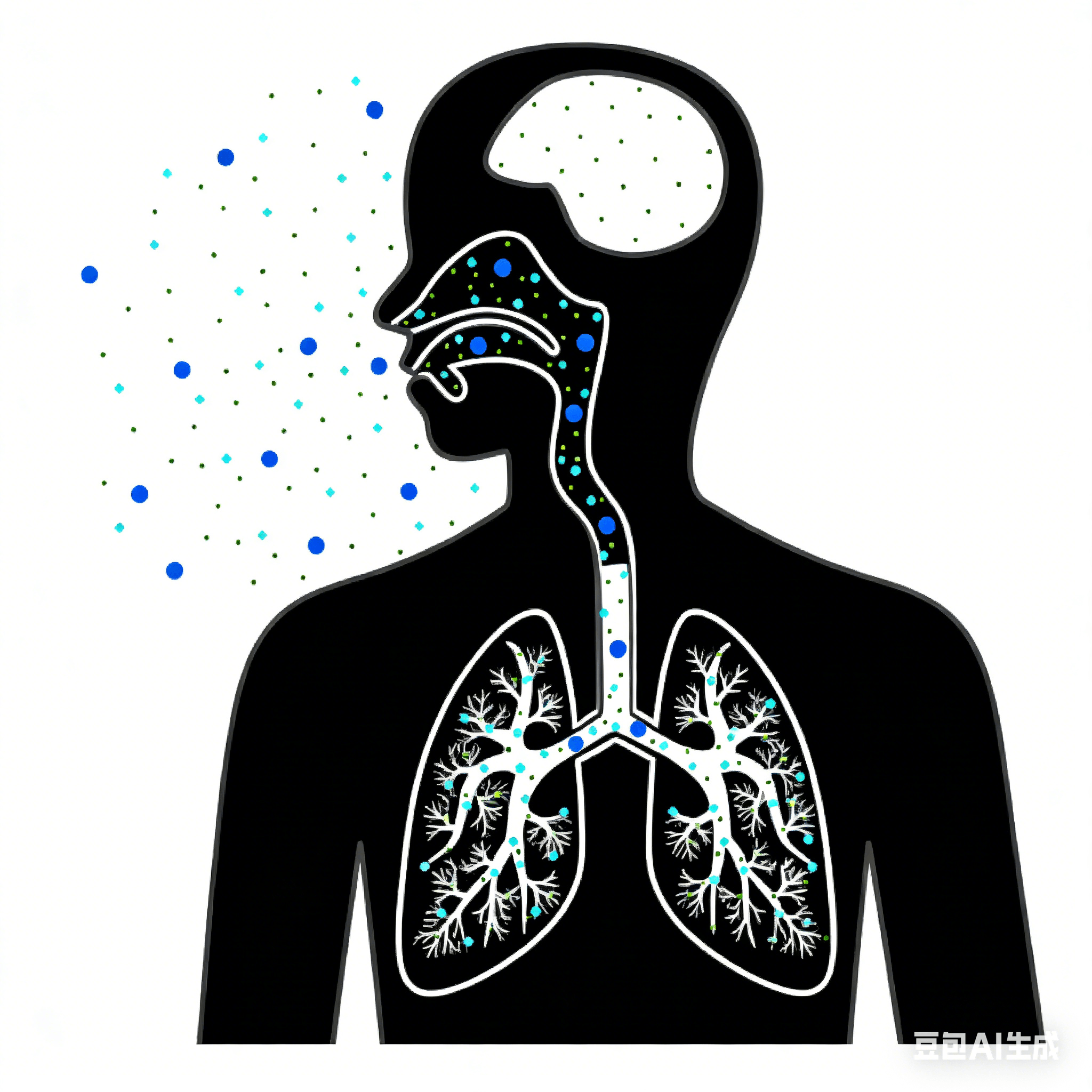
Inhalable dust / PM10 2.5–10μm
Ultra-fine / Alveolar dust <0.25μm
Metal oxides of iron, manganese, chromium, nickel, copper
Trace elements: zinc, lead, cobalt
Fluoride, silicate, and carbonate vapours (flux processes)
Respirable dust / PM2.5 0.25–2.5μm
Aggregated metal oxides (Fe, Mn, Cr, Ni)
Silicates, fluorides, and carbonates from flux and filler materials
Condensed vapours and small oxide clusters
Respirable dust / PM2.5 0.25–2.5μm
Coarse metal oxides and oxidised spatter
Flux and slag residues, silicate fragments, and base metal dust
Short-Term Health Effects
Eye and skin irritation
Headaches and fatigue
Dizziness
Long-Term Health Effects
Nervous system damage
Cardiovascular issues
Fertility and reproductive issues
Consequences
Welders are at risk from all levels of exposure to welding emissions. Without effective protection, they face immediate symptoms and longer-term health effects.
Poor fume control also carries business risk including regulatory penalties and operational disruption, ultimately leading to financial losses
Prioritising fume protection is essential for a safe workforce and productive business.